Đăng ký nhận tin
Cảm ơn Quý khách hàng đã quan tâm đến An Huy Mỹ Việt.
Quý khách hàng vui lòng để lại thông tin liên hệ để chúng tôi hỗ trợ tốt nhất
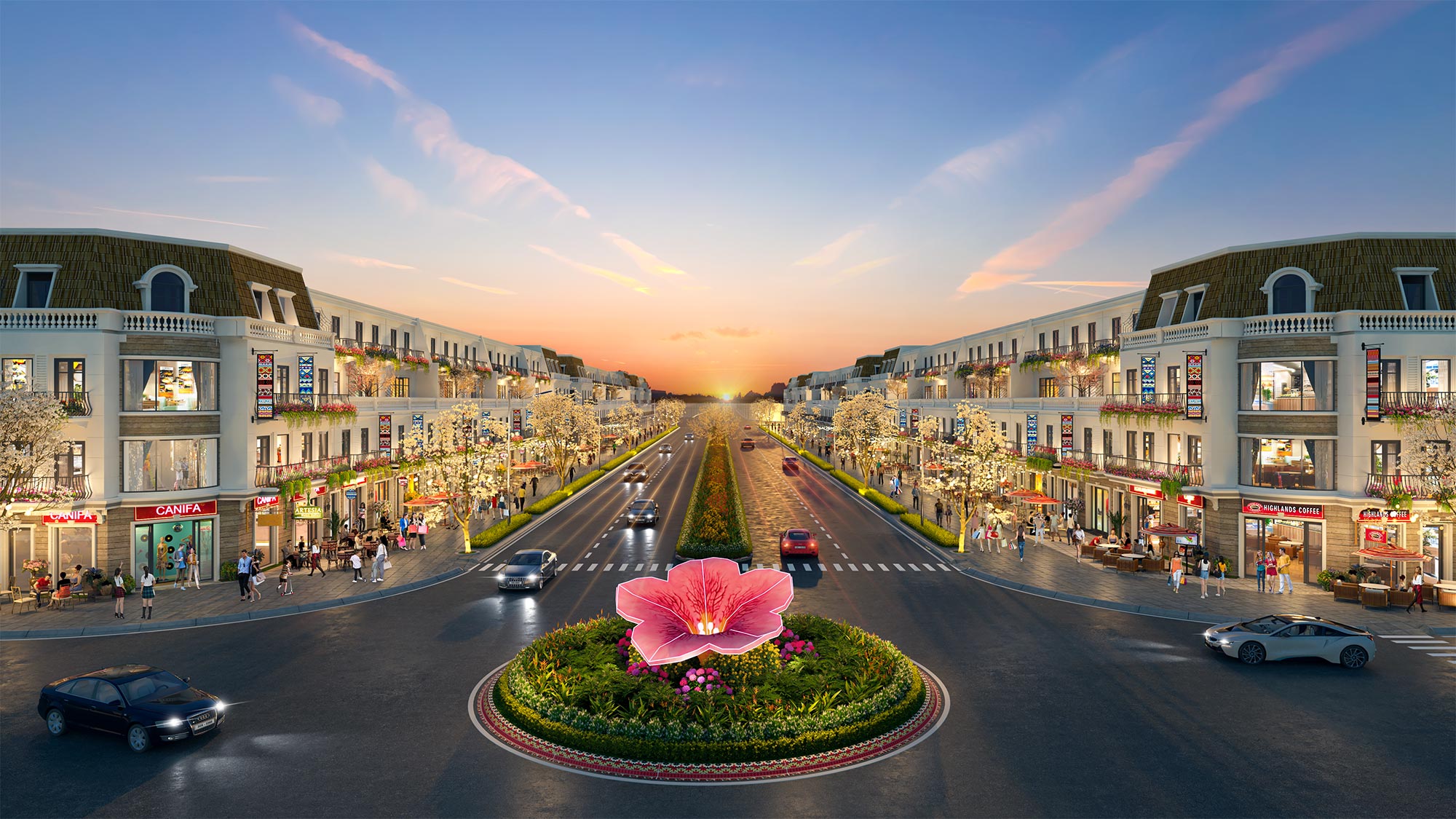
In the real estate market structure of Southern Vietnam in 2026, the Northwest corridor of Ho Chi Minh City is exhibiting all the hallmarks of a typical “value trough,” as key focal areas such as the Eastern corridor have entered a phase of price saturation with gradually narrowing profit margins, prompting capital from seasoned investors to shift strongly toward zones with high infrastructure compression; this is no longer a game driven by speculative hype, but rather the rise of value-based real estate investment, where legal transparency, land use right certificates (LURCs), and well-developed technical infrastructure serve as “safe anchors” for capital flows.
To understand why the Northwest of Ho Chi Minh City is at the most crucial "turning point" in its growth chart, it's necessary to look at the overall picture of Ho Chi Minh City's "golden triangle of value." In the multi-polar urban development strategy, if the East plays the role of a technology and financial growth pole, the South is the international service urban pole, then the Northwest is the gateway economic pole and a sustainable satellite city.
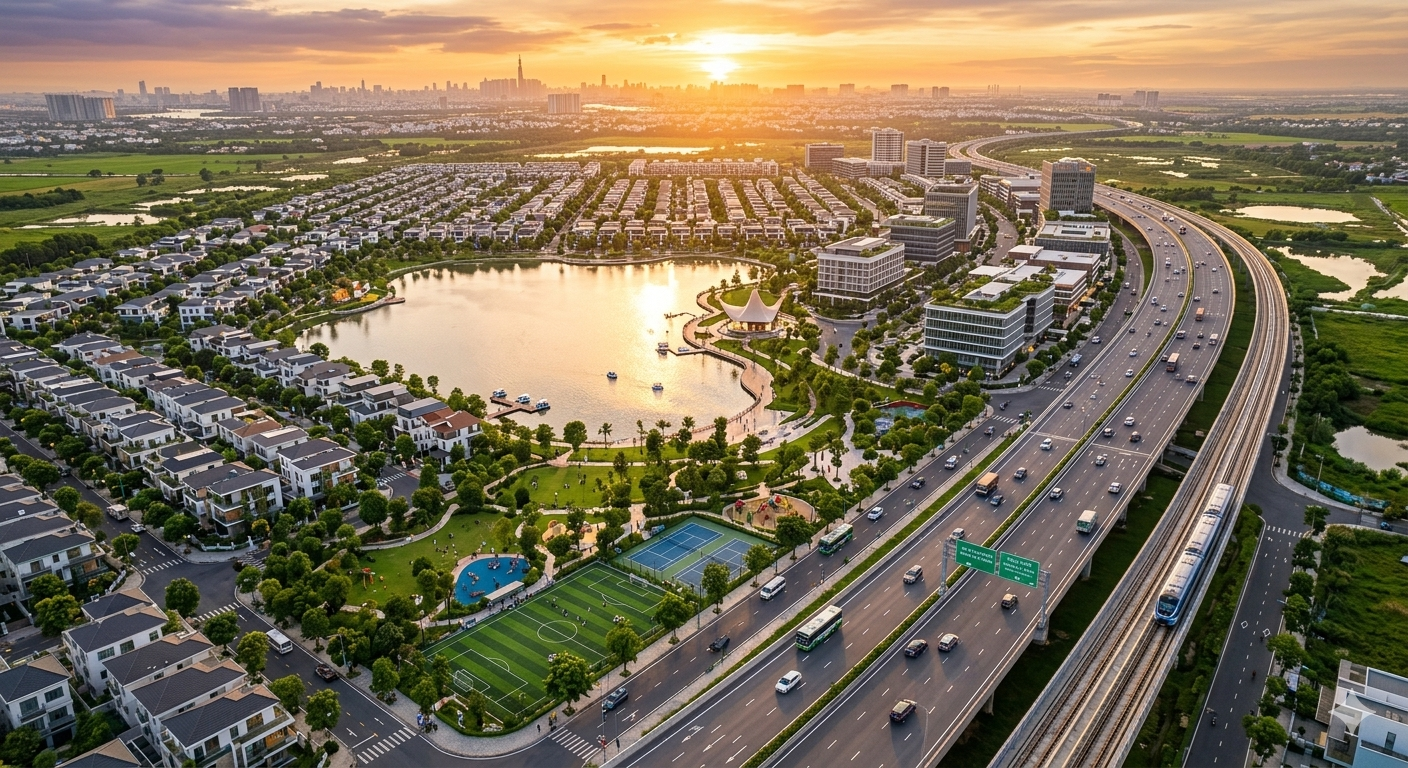
When transportation infrastructure is invested in, creating convenient connections between areas, the value of real estate is enhanced. (Illustrative image)
However, there is currently a clear imbalance within this triangle. While the East and South have experienced periods of phenomenal price increases, pushing the price of ready-to-build land plots to 70-100 million VND/m² – a price that almost fully reflects future potential – the Northwest is acting as the "absolute low point". With prices ranging from only 2.1 to 2.7 billion VND (approximately 25-35 million VND/m²), this is the third peak of the golden triangle but has the lowest starting point.
This disparity creates a "pressure" on capital flows. When the values at the other two peaks have reached their ceiling, investment capital, following the "communicating vessels" principle, will automatically flow to areas with lower values but comparable infrastructure development. Owning real estate in Northwest Ho Chi Minh City at this time is not just about buying a plot of land, but about owning a strategic position within the city's triangle before prices are "leveled" by the upcoming expressways.
One of the biggest psychological barriers in the Northwest area of Ho Chi Minh City has always been the existing traffic pressure on National Highway 22 and Truong Chinh Street. However, from the perspective of technical analysts, this is the "golden opportunity" to establish an investment position. The history of the Vietnamese real estate market over the past two decades has proven an immutable rule: asset values always reach new peaks at two important milestones: when the planning is announced and when the infrastructure is officially opened to traffic.
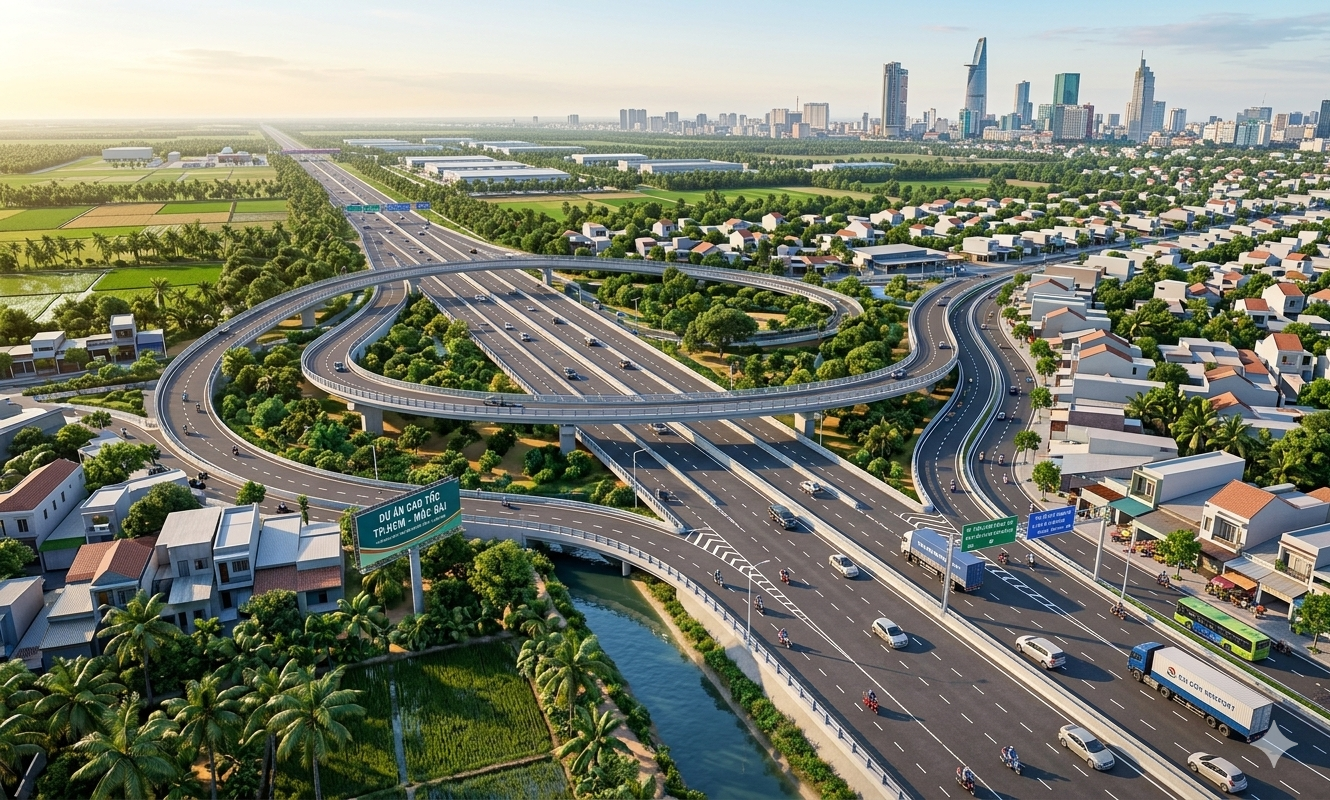
Perspective view of the Ho Chi Minh City – Moc Bai expressway, a key transportation route in the western part of Ho Chi Minh City. (Illustrative image)
Currently, the Northwest of Ho Chi Minh City is at the most crucial "turning point" in its growth chart. The Ho Chi Minh City - Moc Bai Expressway and the Ring Road 3 system are rapidly transitioning from land clearance to on-site construction. Deciding to invest while transportation infrastructure is still undergoing upgrades is essentially an act of "anticipating the infrastructure cycle."
With current prices ranging from only 2.1 to 2.7 billion VND (equivalent to approximately 25-35 million VND/m²) for adjacent and commercial land plots, Northwest Ho Chi Minh City boasts prices that are only 1/3, or even 1/4, of those in areas with completed infrastructure in the East or South. This is an excellent "low-lying area" for investors to achieve double profits: firstly, natural price increases following the general growth of the land market, and secondly, a sudden surge in value due to infrastructure improvements. Once travel time barriers are removed, the price difference between areas will quickly be "leveled," and those owning properties in this low-lying area will reap the highest profit margins.
Entering 2026, the real estate market is witnessing a pivotal shift in the behavior of both investors and end-users. Under new laws with stricter regulations, "clean legal status" has become a necessary condition and "real infrastructure" a sufficient condition "for every investment decision." Customers are becoming wary of projects that are sold off-plan and more cautious about profit guarantees on paper. Instead, they seek products with high tangible value – where the real value is immediately visible.
In the northwestern area of Ho Chi Minh City, projects with 100% completed infrastructure and, most importantly, with ready-made land titles for each plot are becoming "gold" on the market. These are known as "defensive assets" – a type of real estate with excellent capital preservation capabilities during market corrections and strong rebounds when cheap money returns.
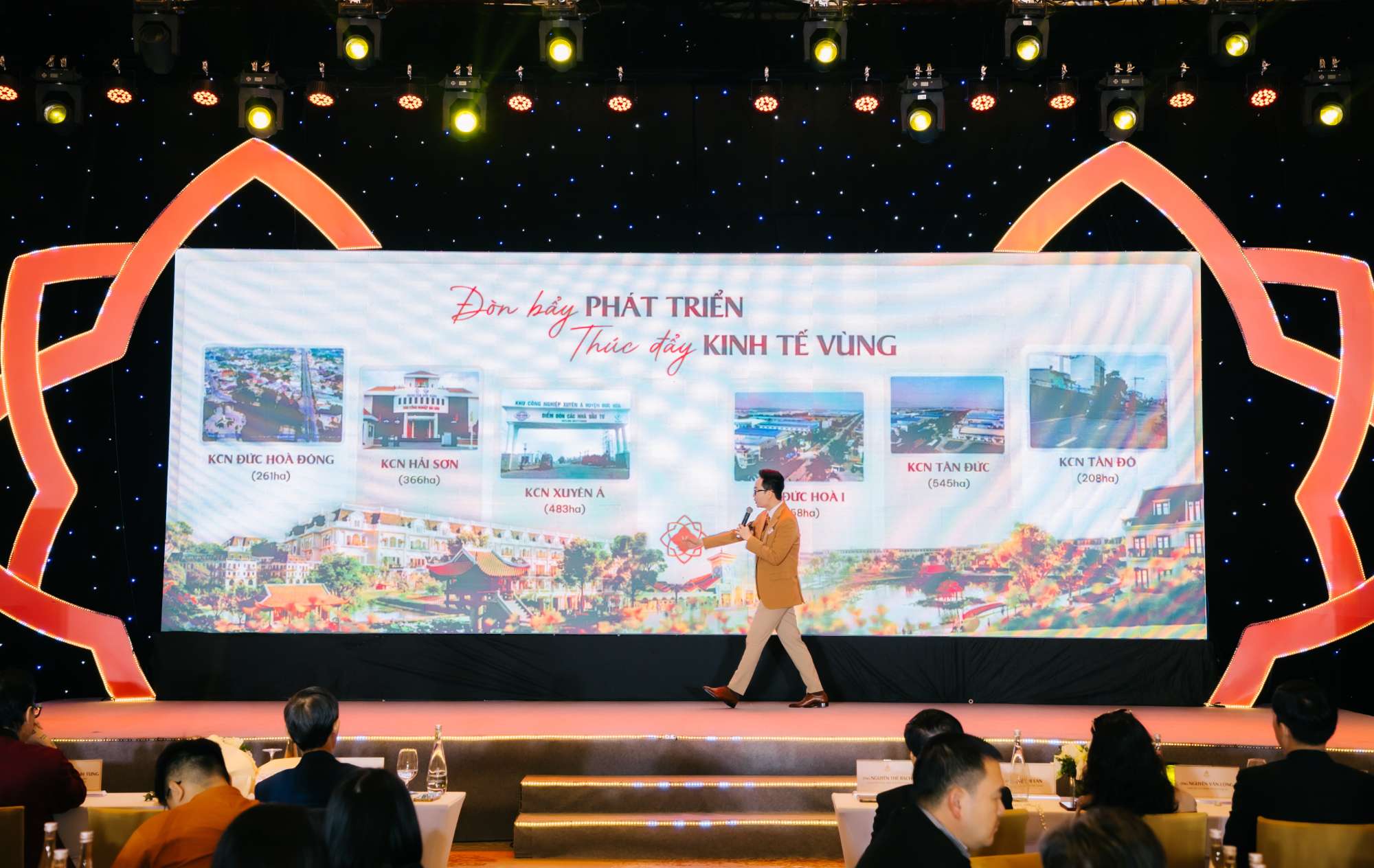
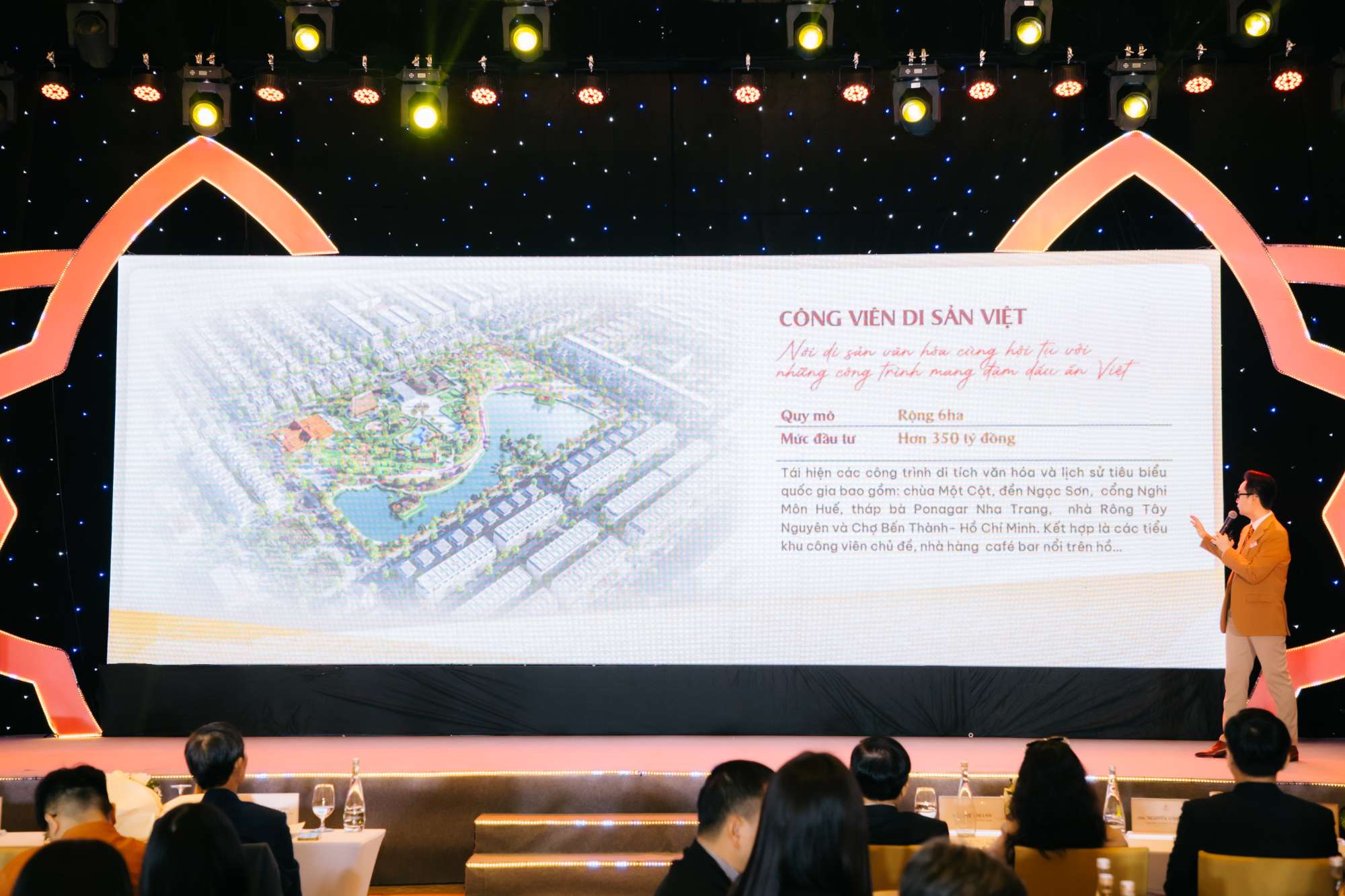
Images from the event "Anhui My Viet welcomes investors to the South" in Hanoi.
Sharing his strategic perspective, Mr. Nguyen The Bach – General Director of An Huy Group, a major investor and developer in the regional market – believes that the amenities provided to residents are the clearest guarantee of the liquidity of current real estate projects. He emphasized that a project that attracts community participation and creates a green and healthy living space will automatically generate demand for actual housing. When a project contributes to the overall development of the locality by improving living standards and infrastructure, that is when the investor's assets achieve the most sustainable growth.
"With the new developments in the 2026 real estate market, it's clear that investors are extremely savvy; they're not buying hope, they're buying reality. A project that meets standards today must address the issue of creating a distinctive amenity and contributing value to the local community right from its inception. Focusing on investing in community spaces and public amenities isn't simply about enhancing aesthetics, but a strategy to create 'vitality' for the city. When an urban area truly provides value for residents and creates a positive impact on the local landscape, it will generate strong confidence in its liquidity. Buyers need to see a living, active community, not just a deserted plot of land," Mr. Nguyen The Bach analyzed.

Mr. Nguyen The Bach – Chief Executive Officer of An Huy Group
In the context of the 2026 market, the difference between a purely "land subdivision" project and a "standard urban area" lies in the underground infrastructure system and the existing ecosystem of amenities.
Specifically, underground infrastructure is creating a unique value proposition for the project. Underground electricity and telecommunications systems are not merely an aesthetic consideration; they demonstrate the financial capacity and long-term commitment of the developer. Urban areas with integrated underground infrastructure consistently command transaction values 15-20% higher than those using traditional grid electricity. This is a crucial factor in establishing a high-end, luxurious community with a consistent aesthetic sense.
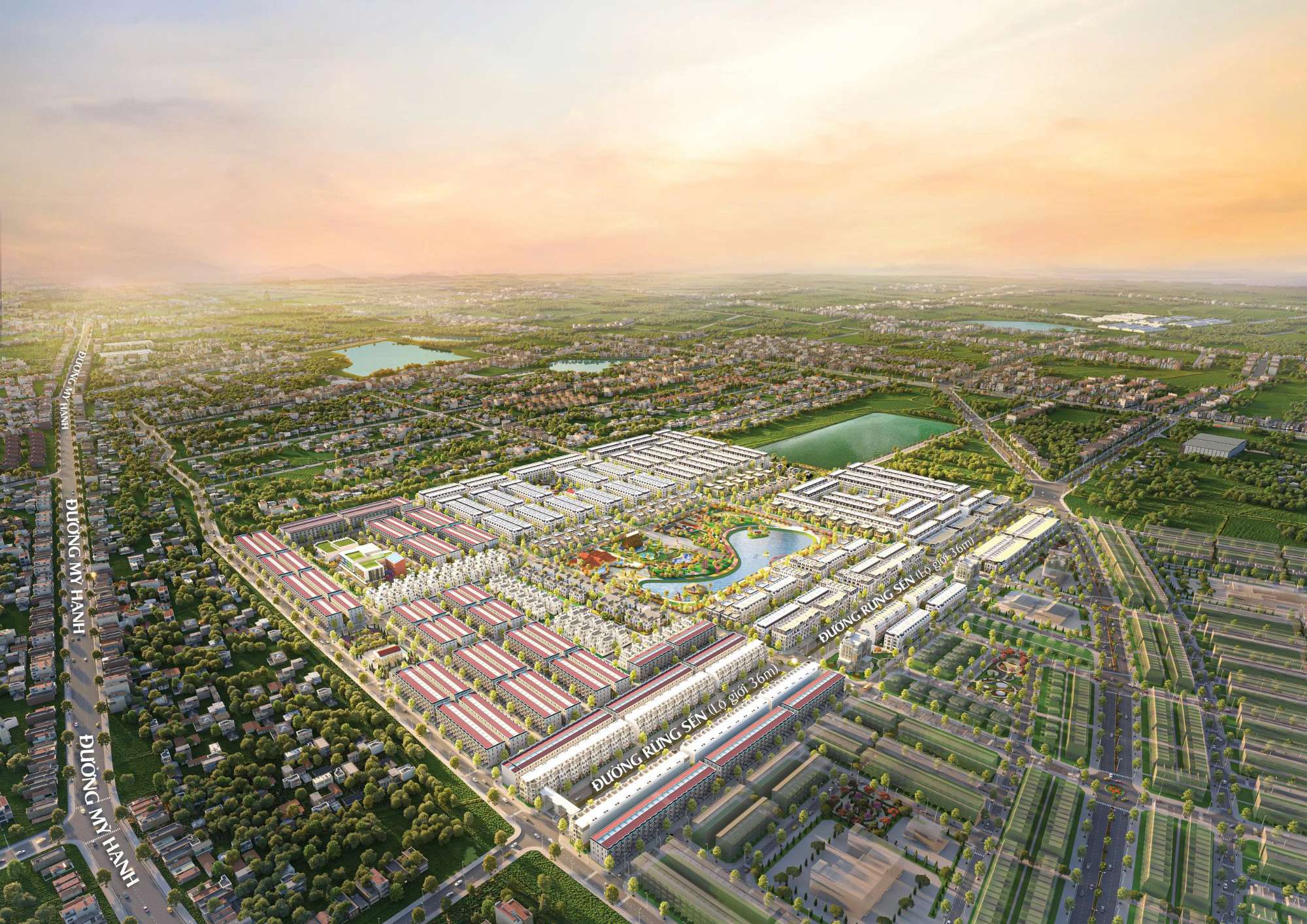
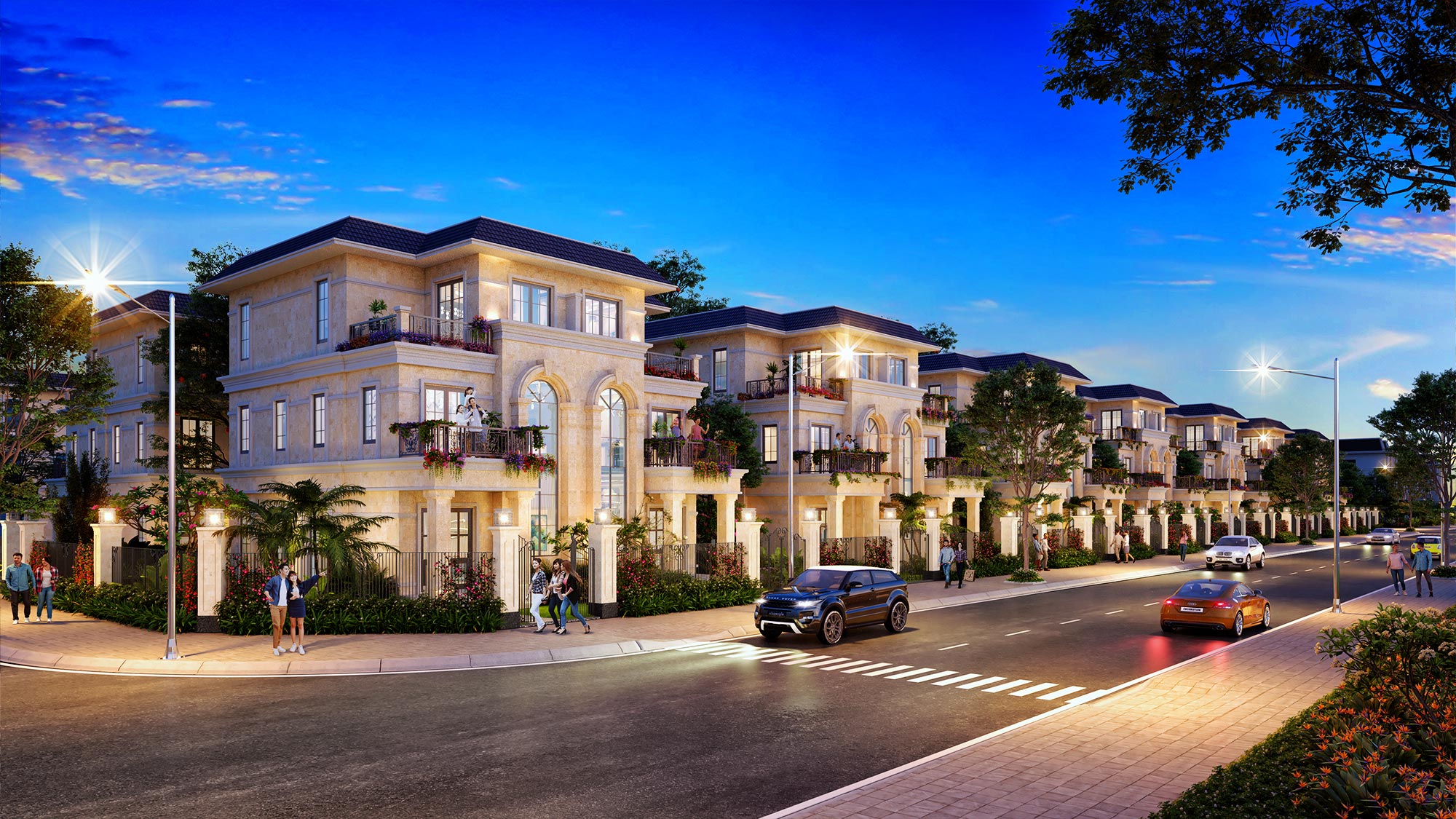
Perspective view of the An Huy My Viet project in Duc Lap commune, Tay Ninh province.
Meanwhile, underground infrastructure is the foundation of comfortable living. A standard urban water supply system and a well-planned drainage network are key to enabling residents to build their homes immediately. The viability of a project depends entirely on these underground technical indicators. Once the infrastructure is 100% complete, investors can be completely confident in the versatility of their property: from accumulation and resale to generating cash flow through business construction or rental.
Furthermore, the ecosystem of amenities creates the "lifeblood" of the project. A key factor in preventing real estate from becoming a "dormant city" is the emergence of prominent amenity complexes. Instead of leaving land empty, dedicated project developers have proactively put into operation shared living spaces and clusters of trendy sports and entertainment facilities.

Customers are interested in the market in the western part of Ho Chi Minh City.
Creating these amenity "touchpoints" is not merely for aesthetic purposes, but a shrewd market psychology strategy: attracting real estate demand to the project sooner than expected. When an urban area is vibrant, resonates with community activities, and residents can immediately enjoy amenities, the value of real estate there will grow based on actual use value, rather than just the expectations of speculators. This acts as a shield protecting the liquidity of the product for investors against market fluctuations.
Real estate experts assess that land plots with ready-to-transfer ownership documents in Northwest Ho Chi Minh City offer an optimal financial solution for investors. Priced from 2.1 to 2.7 billion VND, this is a "golden" price range, within the affordability of most young families and mid-level investors. Customers only need to prepare approximately 600-800 million VND (30%) of their own capital, with the remaining 70% disbursed by the bank based on the actual value of the land plot.
The segment under 3 billion VND consistently has the fastest transaction speed in the market. When capital needs to be recovered, selling properties with ready-made title deeds, good infrastructure, and existing sports facilities is always much easier than selling properties without title deeds or with rudimentary infrastructure.
Using bank leverage for a legally sound asset helps investors maximize their return on investment. Instead of investing the entire 2.5 billion VND in a single plot of land, investors can diversify their portfolio, owning multiple plots in less developed areas to take advantage of simultaneous infrastructure development, thereby multiplying profits when the market enters a strong growth phase.
Mr. Vo Quoc Lap, an investor in Ho Chi Minh City, said: "After many years of choosing real estate as a profitable investment channel, I realized that no matter how high the profit, it's not as important as legal security. When I decided to shift my capital from the East to the Northwest of Ho Chi Minh City earlier this year, my top priority was that the product must have a 'land ownership certificate' and existing infrastructure. For me, this is a perfect type of 'asset accumulation'. I'm not speculating but investing for my children, anticipating the boost from the Ho Chi Minh City - Moc Bai expressway. When you hold the land ownership certificate in your hand and see that the project truly has 'life', that is the smartest and most sustainable investment."
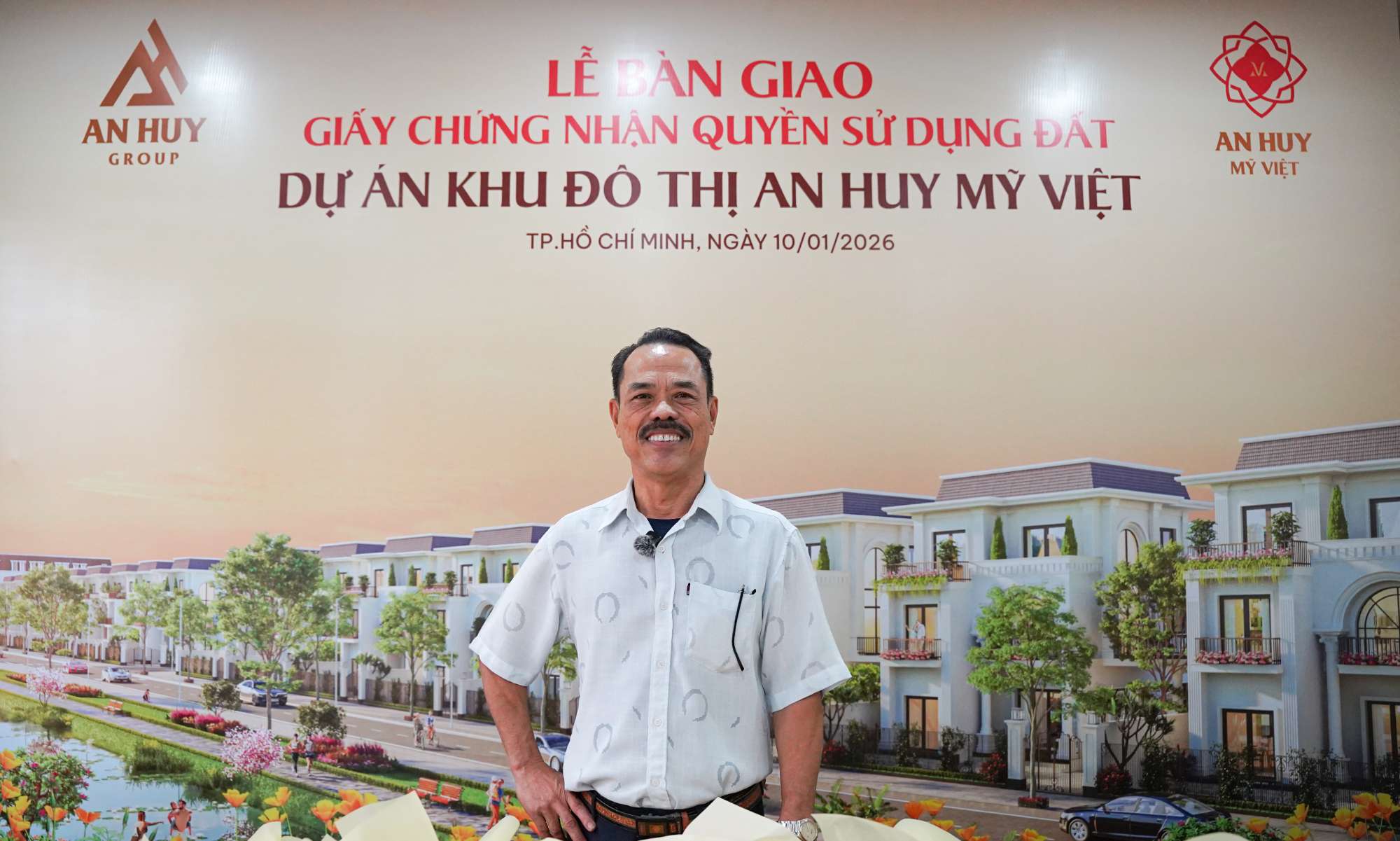
Mr. Vo Quoc Lap received the land use rights certificate, confirming the complete legal status and transparency.
The emergence of investors with a "market-hunting" mindset like Mr. Lap is a sign of a large-scale capital shift: not buying with the crowd, but buying based on a comparison of opportunity costs.
The real estate market in Ho Chi Minh City is facing a major shift of capital and population towards the Northwest – a scenario that unfolded in District 2 a decade ago or District 9 five years ago. Those who were once skeptical about the remote East or the swampy South are now witnessing prices there increase five to ten times, regretting a missed opportunity. The real estate investment cycle is repeating itself, and 2026 is the pivotal year for Northwest Ho Chi Minh City to continue this growth story.
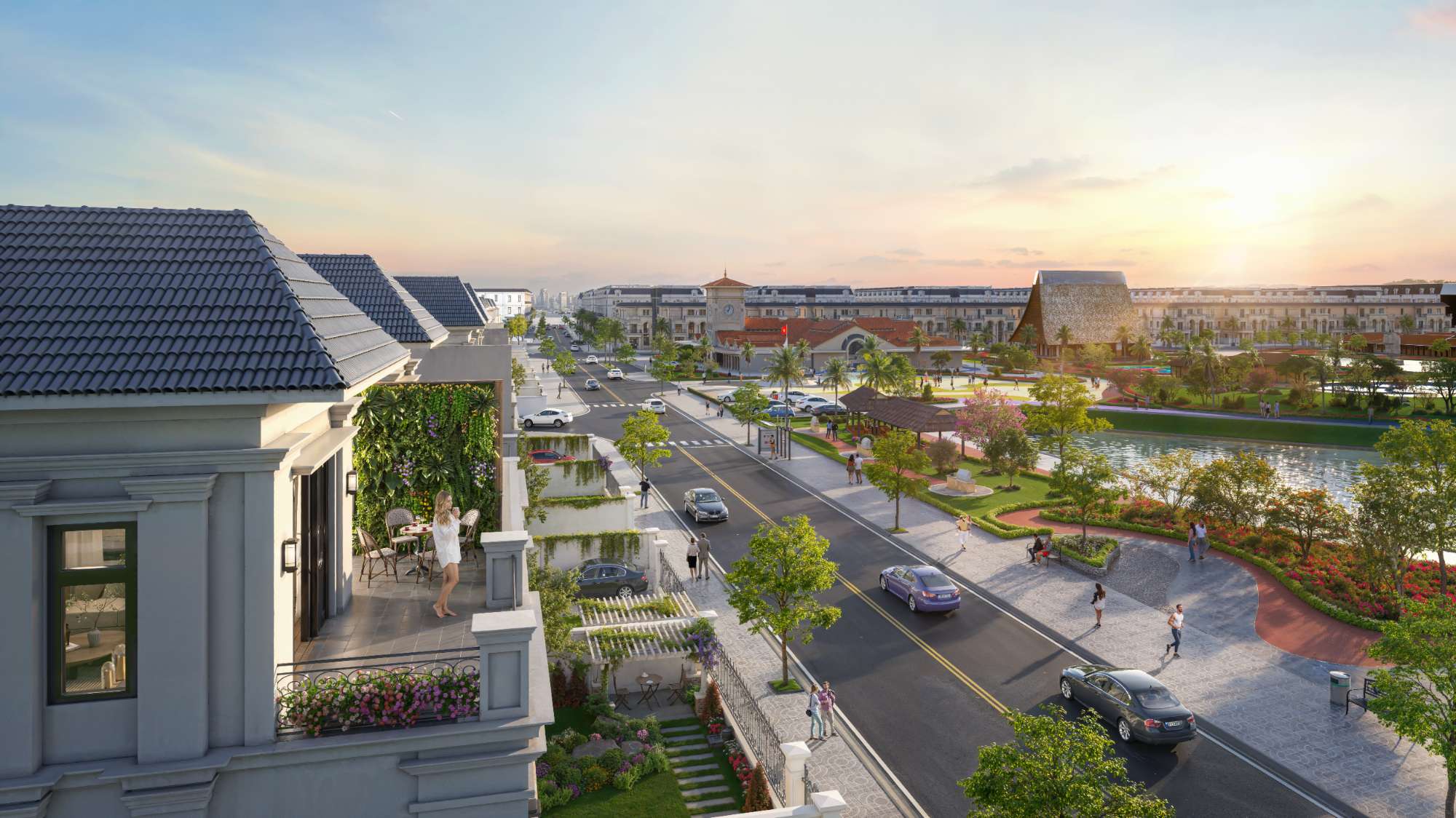
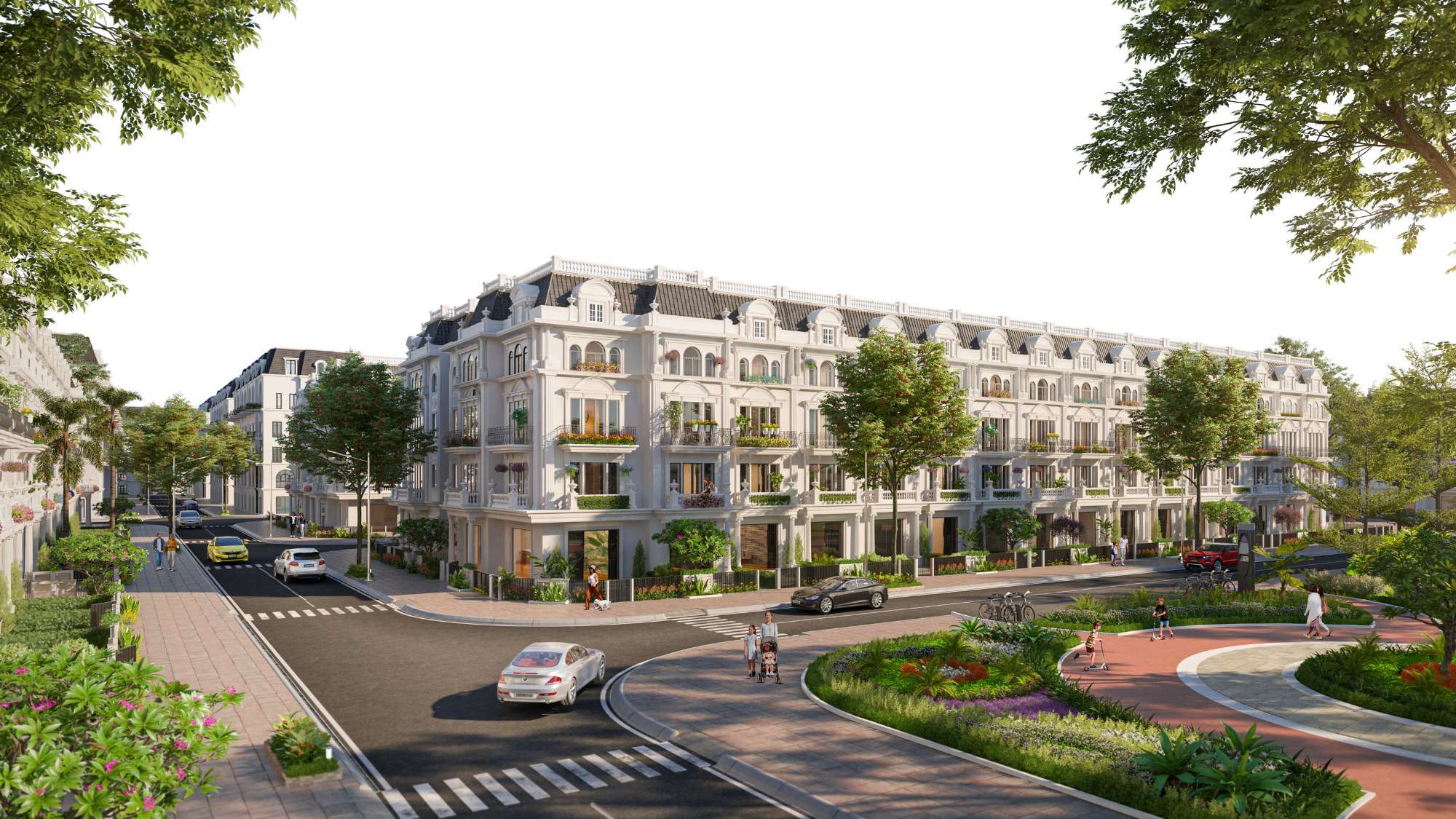
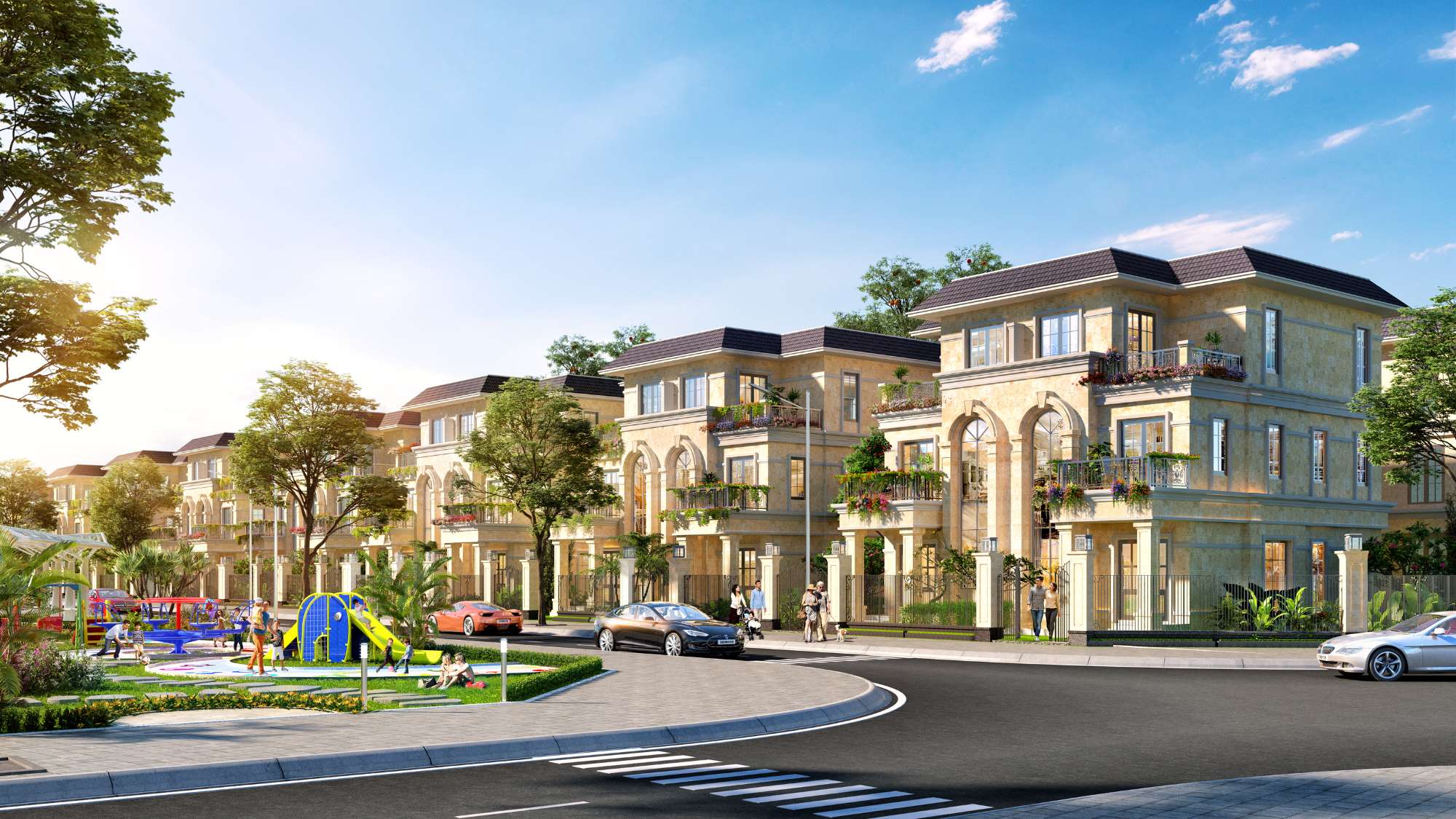
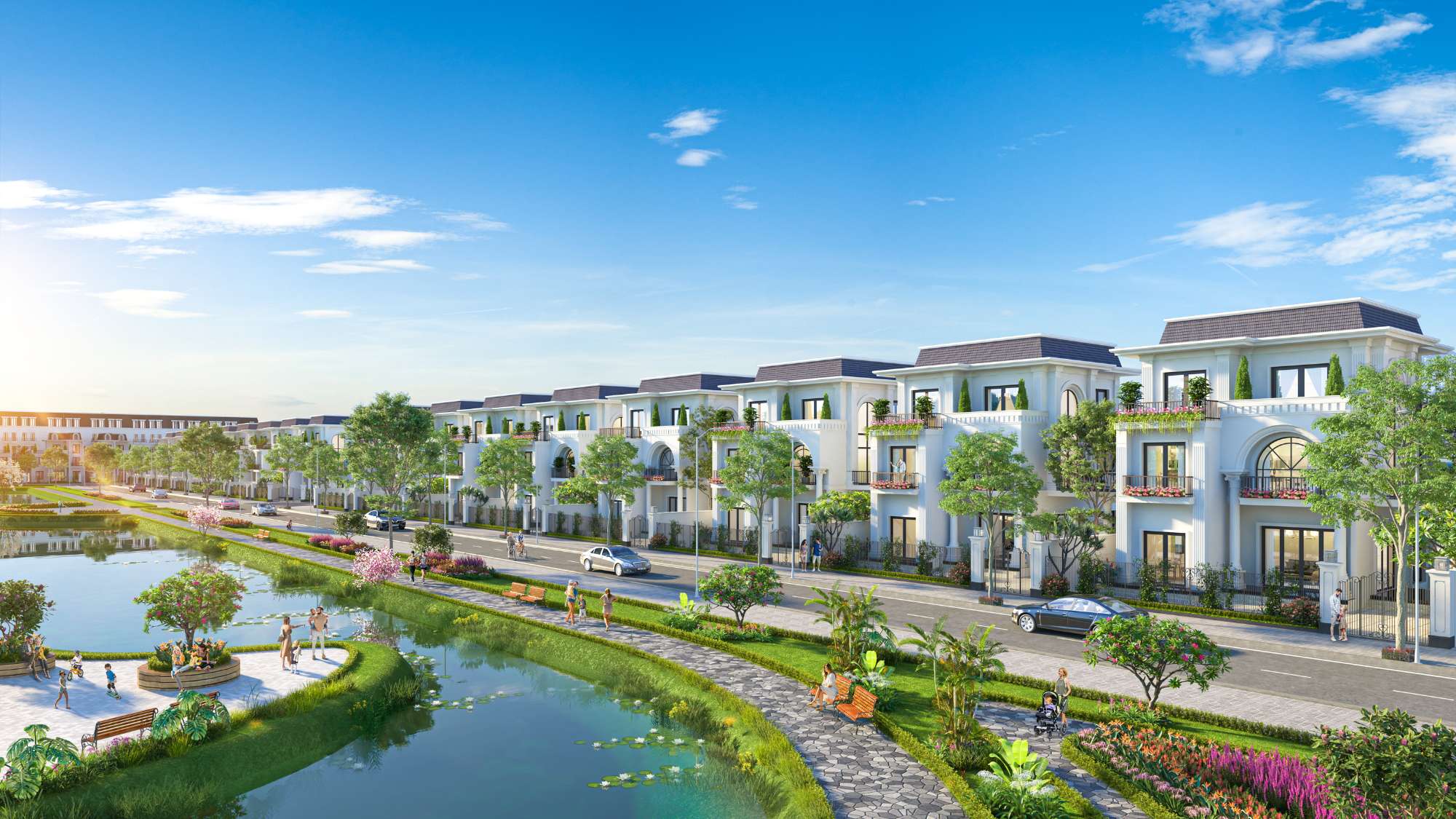
Perspective of the living environment at An Huy My Viet project
Forecasts indicate that by 2027-2028, when the final sections of the Ring Road 3 and the Ho Chi Minh City - Moc Bai Expressway are officially opened, the concept of a "satellite area" will be redefined. The Northwest of Ho Chi Minh City will no longer be a suburban area, but a central hub connecting the country's leading economic center with the global supply chains emerging in Tay Ninh (after its merger). At that time, projects with well-prepared legal documentation, land titles, and underground infrastructure will officially shed their "rough diamond" image and become bustling commercial centers.
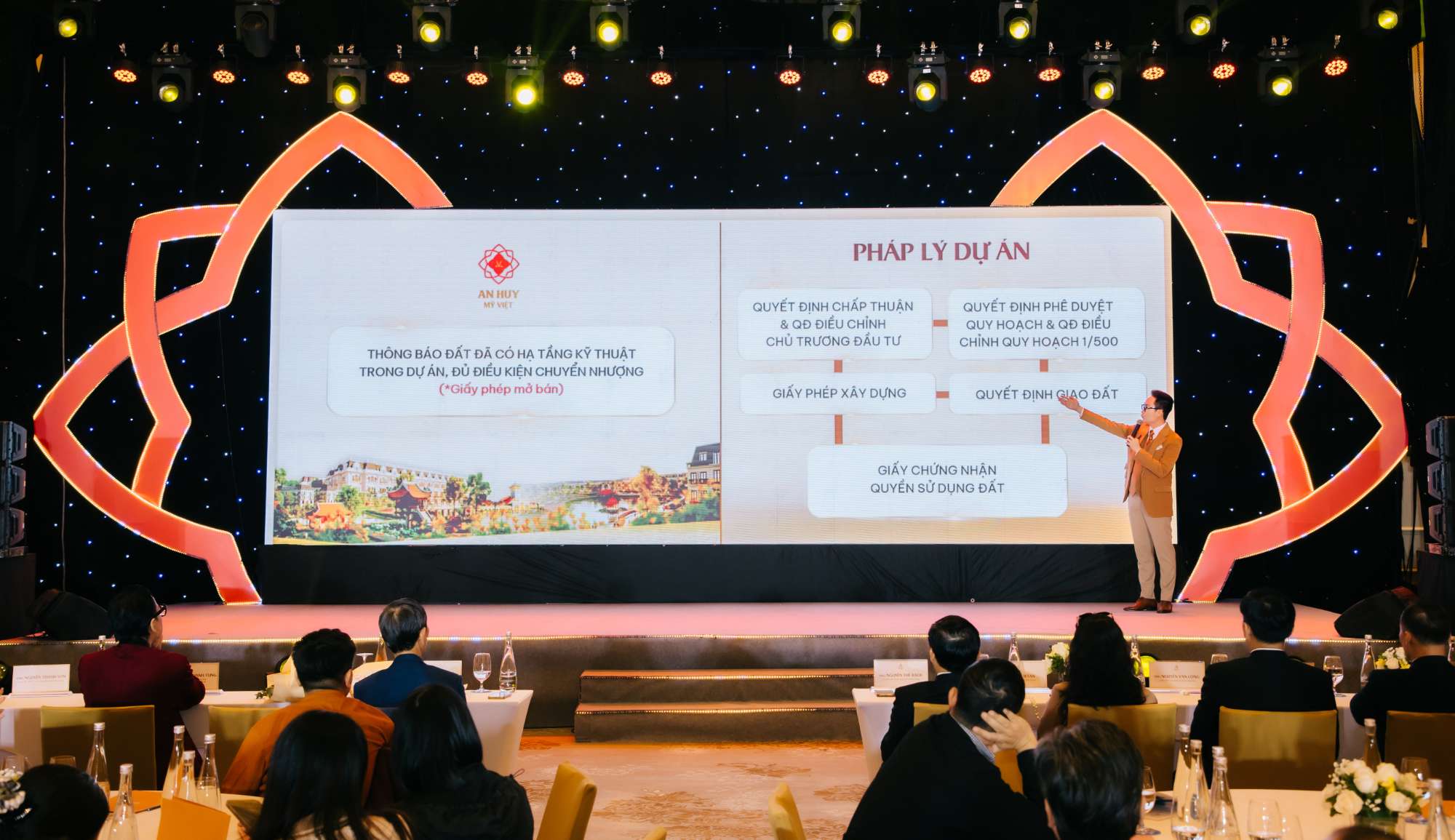
Legal frameworks, land ownership certificates, and technical infrastructure act as a safe "anchor" for capital flows. (Illustrative image)
The real estate market is predicted to undergo a fierce shakeout in the next two years. Products that capitalize on infrastructure development but lack essential amenities will gradually be phased out. Conversely, urban areas that are thoughtfully developed, creating distinctive amenities and real living values for the local community, will become key "anchors" for investment. This is the "window of opportunity" closing rapidly before new price levels are established according to the standards of a top-tier modern city.
In the near future, the value of a square meter of land in the Northwest area of Ho Chi Minh City will no longer be measured solely by area, but by "connectivity speed" and "quality of life." Investors who own properties here during the infrastructure development phase are essentially holding a priority ticket on the most powerful growth train of the decade. When roads are paved, electricity is available, and a residential community is established in new projects, real value will be the measure of a potential and sustainable real estate market.
Communicated by An Huy Group
According to Vietnam Real Estate E-Magazine | Reatimes
Cảm ơn Quý khách hàng đã quan tâm đến An Huy Mỹ Việt.
Quý khách hàng vui lòng để lại thông tin liên hệ để chúng tôi hỗ trợ tốt nhất