Đăng ký nhận tin
Cảm ơn Quý khách hàng đã quan tâm đến An Huy Mỹ Việt.
Quý khách hàng vui lòng để lại thông tin liên hệ để chúng tôi hỗ trợ tốt nhất
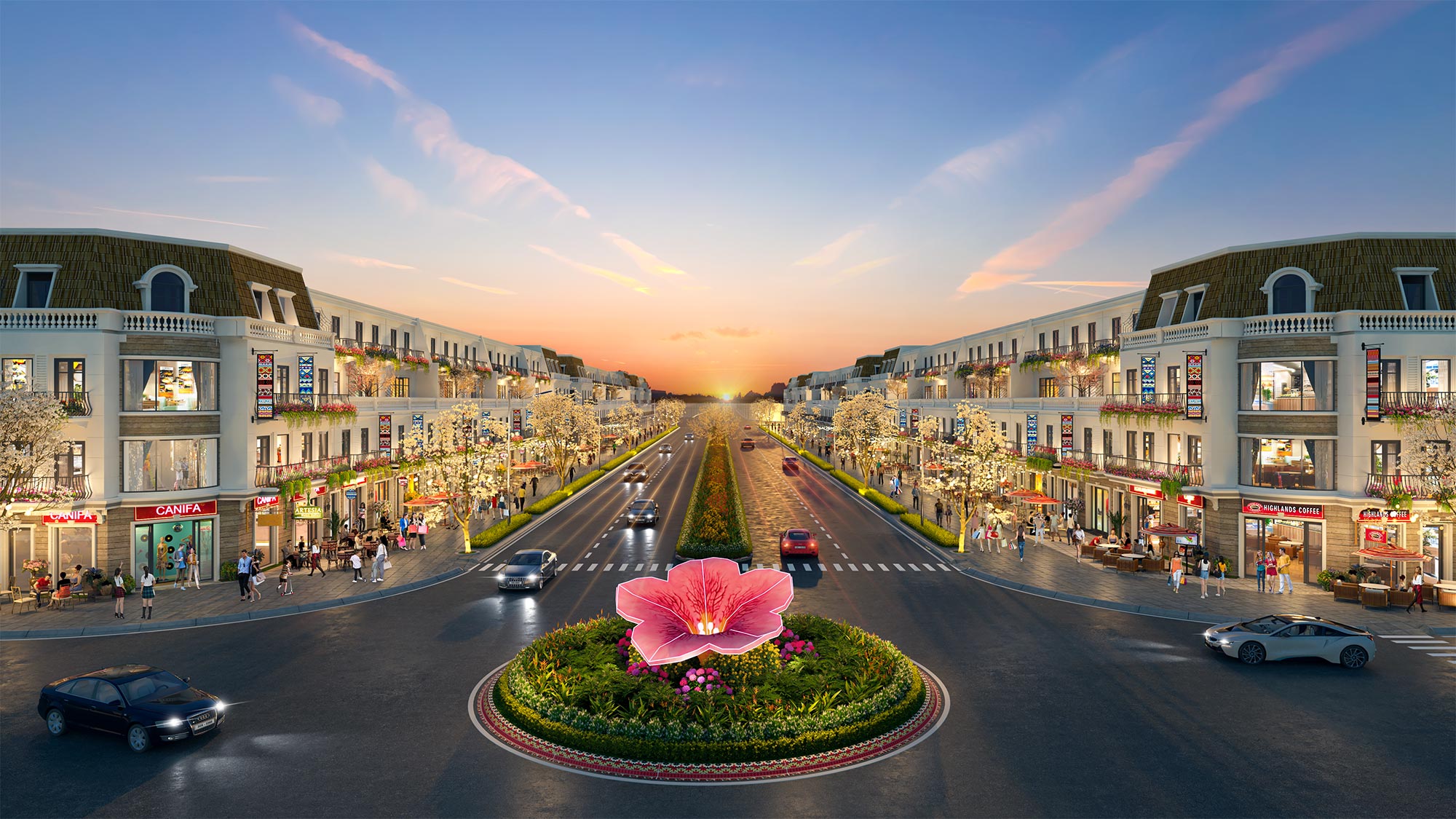
Southern-bound investment capital is forecast to strongly shift toward adjacent land plots and low-rise housing in the western area of Ho Chi Minh City.
Market research reports assess that Resolution No. 202/2025/QH15, which merges Long An and Tay Ninh, not only streamlines the administrative apparatus but also opens up a large-scale economic and urban development space for the entire northwestern region of Ho Chi Minh City. With an area of 8,536 km² and a population of more than 3.3 million, the new Tay Ninh holds a strategic position along the East-West economic corridor, while simultaneously becoming an important growth engine in the process of population decentralization and the expansion of Ho Chi Minh City’s urban space.
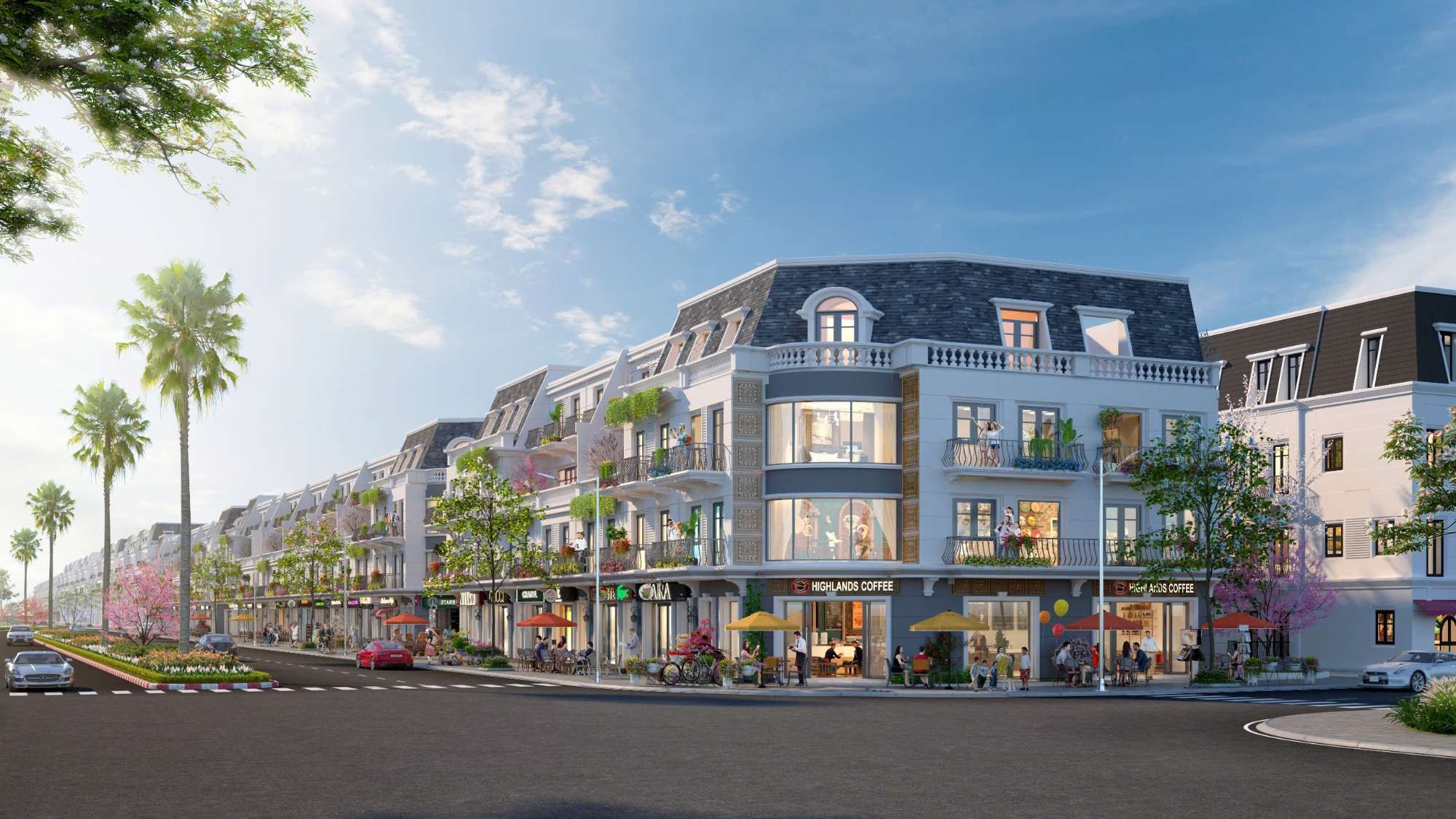
Products of the An Huy My Viet Project
The administrative consolidation has quickly created spillover effects on the province’s economic indicators, as investment activities have been accelerated and administrative procedures have been significantly shortened. A more transparent and favorable environment has enabled the real estate market to gain momentum, particularly in areas bordering Ho Chi Minh City such as Duc Lap. At the same time, land prices across the province have recorded an average increase of 10-15% since Q3/2025, mainly concentrated in satellite urban areas, logistics hubs, and industrial zones-locations that directly benefit from the merger and interregional infrastructure.
In parallel with administrative drivers, interregional infrastructure in the western area of Ho Chi Minh City has been strongly promoted. Ring Roads 3 and 4, together with the Ben Luc - Long Thanh Expressway, have shortened travel time from Ho Chi Minh City to Duc Lap to under 45 minutes, creating a clear competitive advantage for the area. Infrastructure impacts have driven demand for real estate searches in border areas up by 21%, far exceeding the overall growth rate of the western region (+6%).
The sharp increase in housing demand from industrial zones with occupancy rates of 85-90% is pushing the land plot and low-rise housing segments into a leading position in market preferences. As interregional infrastructure is completed and labor and expert flows continue to shift into the area, Duc Lap has emerged as a prominent destination, clearly reflecting the trend of capital reallocation following the merger.
Market data from various reports show that the supply of low-rise housing in the western region has increased 33 times compared to the inner districts of Ho Chi Minh City and is expected to continue expanding through 2030. While apartment prices remain about 20% lower than those in the city center, landed housing has recorded stronger price growth thanks to long-term ownership advantages and direct synergy with infrastructure progress. The completion of Ring Roads 3 and 4, the Ben Luc - Long Thanh Expressway, and the Duc Hoa growth axis is helping Duc Lap emerge as a high-potential satellite urban area, where land prices increased by 10-15% in 2025 and end-user demand has risen sharply in line with industrial zone occupancy rates.
After many years of development centered on the affordable apartment segment, the western Ho Chi Minh City market has entered a clear repositioning phase following the merger of Long An and Tay Ninh into the new Tay Ninh province. Investment trends are shifting strongly toward adjacent land plots and low-rise housing, especially from the “southbound” investor group, driven by a series of fundamental factors: accelerated interregional infrastructure, rising housing demand around industrial zones, and more transparent project legal frameworks after the merger.
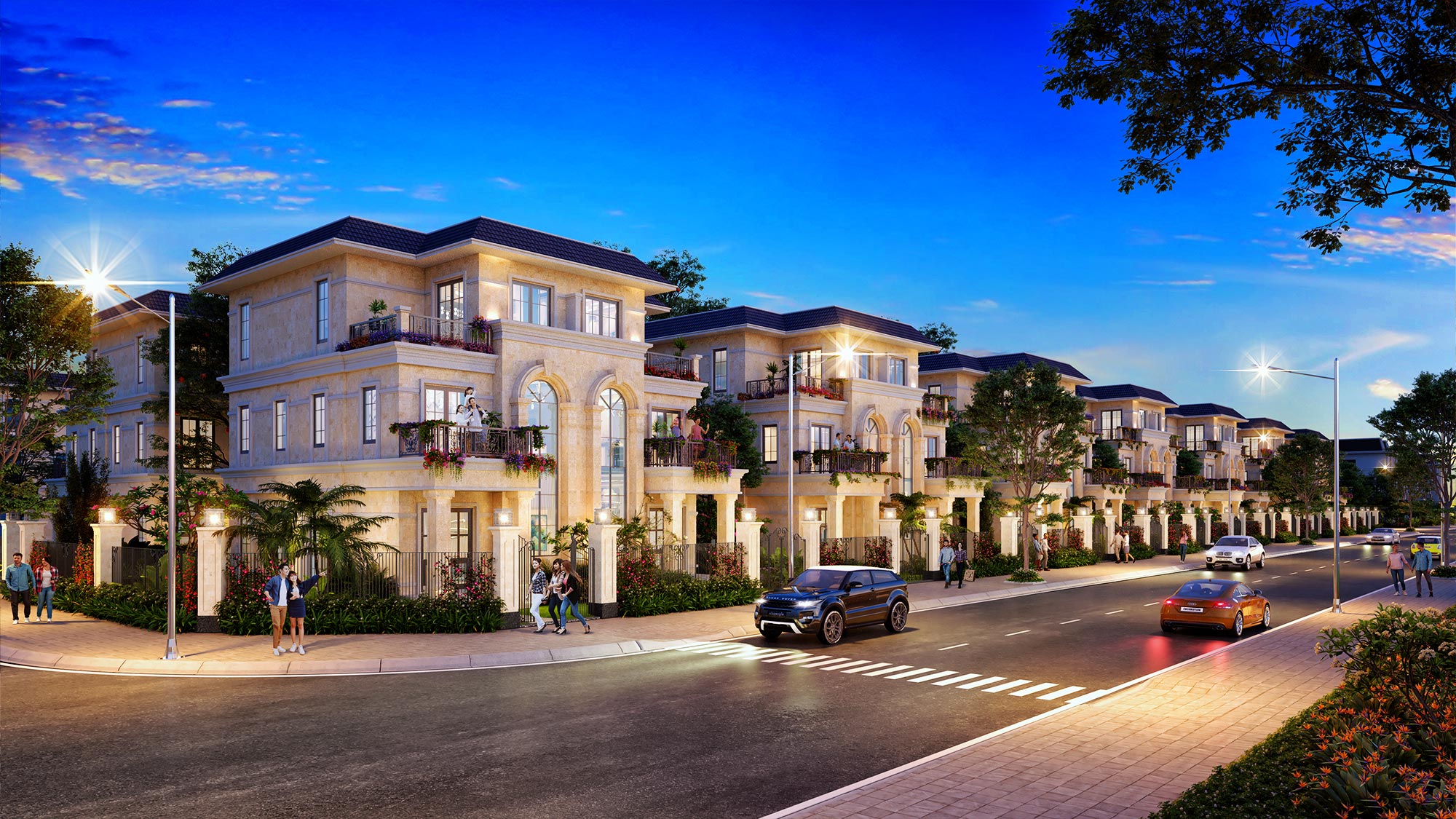
The An Huy My Viet project boasts a prime location on the frontage of Provincial Road 9, right in the center of Duc Lap Commune (former Duc Hoa), Tay Ninh Province-directly bordering three provinces: Ho Chi Minh City, Long An, and Tay Ninh-while also providing direct connectivity to Ring Roads 3 and 4 and the region’s key expressways. The project has a 1/500 master plan scale of up to 115 hectares, with Phase 1 deploying 60 hectares and offering 2,250 diversified products, including adjacent land plots, townhouses, villas, and shophouses.
Currently, An Huy Group has accelerated infrastructure development and announced the completion of internal infrastructure eligible for transactions, in accordance with the notification of the Tay Ninh Department of Construction in September 2025. The project offers individual land-use certificates with long-term ownership, providing investors with peace of mind in a market that increasingly prioritizes transparent legal status.
The developer expects An Huy My Viet to become a focal point for southbound capital flows, as the project directly benefits from the administrative merger. Duc Lap-the “gateway” connecting Ho Chi Minh City, Tay Ninh, and Long An-is recording an expected price growth of +15% per year, driven by the rapid expansion of adjacent industrial zones and the official opening of key transport routes such as DT823D since May 2025.
Within the project, a system of more than 25 internal amenities fully meets the needs of the future residential community, including an inter-level school, hospital, commercial and service center, themed parks, entertainment areas, and outdoor sports facilities-forming a fully integrated urban complex that meets modern living standards.
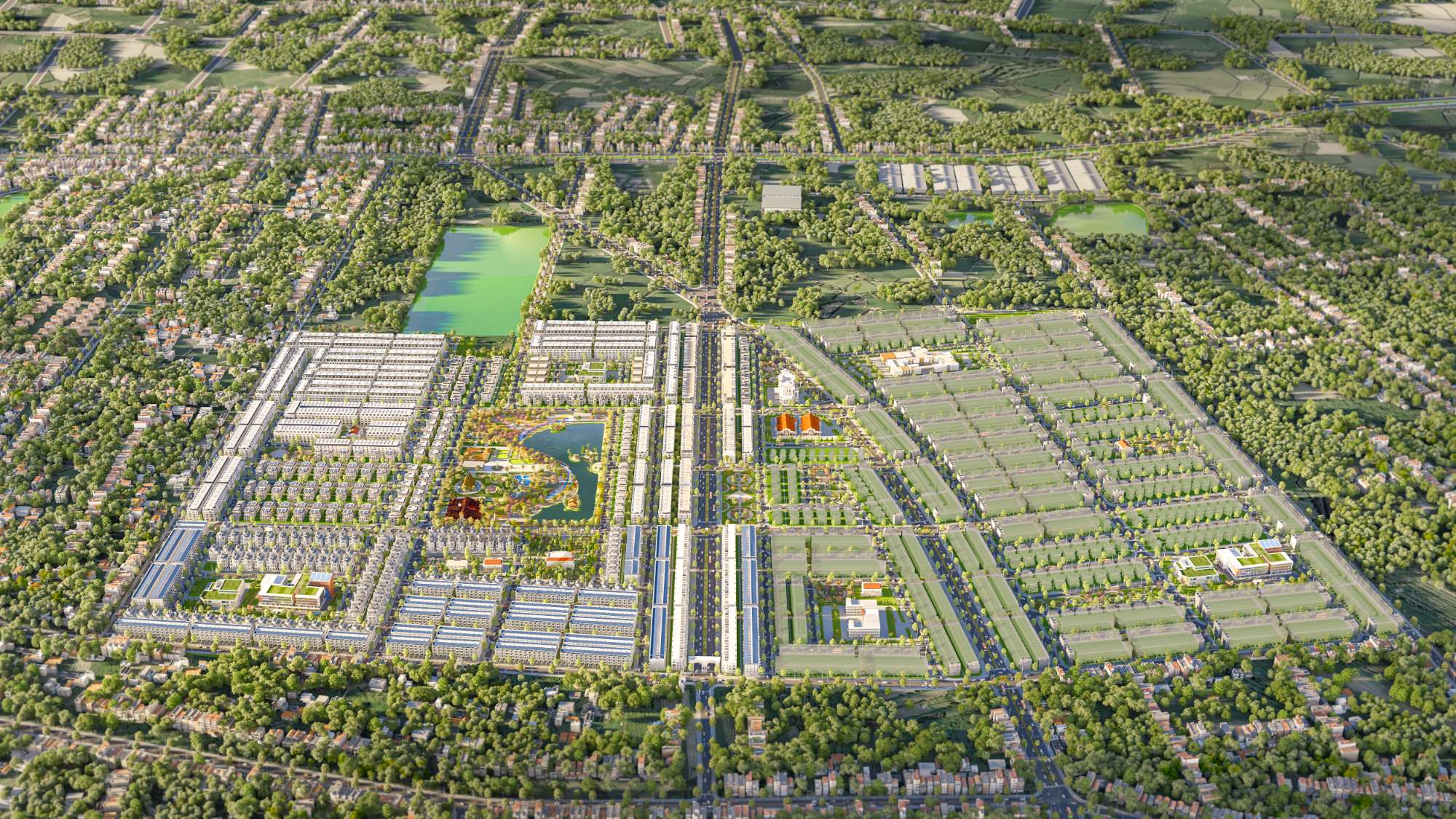
Perspective of the An Huy My Viet Project. Photo: An Huy Group
At the same time, the An Huy My Viet project features a 6-hectare themed park recreating Vietnamese cultural heritage, one of the rare models in the western area of Ho Chi Minh City. The project also includes a 15.5-hectare regulating lake and a green ecosystem of more than 2.5 hectares, creating an open and airy living environment that aligns with the ecological and model urban development trend being prioritized after the administrative merger.
With a well-structured master plan and clear legal status, the developer of An Huy My Viet expects the project to become the “new CBD” of the western region-a large-scale commercial, financial, and service center serving the needs of more than 20 neighboring industrial zones. Many assessments indicate that the project could deliver an ROI approximately 20% higher than the market average over the next three years, benefiting simultaneously from infrastructure development, industrial growth, population decentralization, and the southbound capital flow trend.
With the advantages of transparent legal status, a large land bank, and rapid urbanization, the western area of Ho Chi Minh City-particularly Duc Lap-is emerging as one of the rare regions that bring together all the factors for strong mid-term price growth. This is a critical time for investors to review their portfolios and prioritize projects with strategic locations, direct connectivity to growth corridors, and tangible benefits from both population shifts and FDI capital inflows. Within this landscape, large-scale urban developments with well-planned layouts and long-term ownership such as An Huy My Viet are forecast to play a leading role in shaping market trends and to become destinations for smart capital during the 2025-2030 period.
An Huy Group Media
Cảm ơn Quý khách hàng đã quan tâm đến An Huy Mỹ Việt.
Quý khách hàng vui lòng để lại thông tin liên hệ để chúng tôi hỗ trợ tốt nhất