Đăng ký nhận tin
Cảm ơn Quý khách hàng đã quan tâm đến An Huy Mỹ Việt.
Quý khách hàng vui lòng để lại thông tin liên hệ để chúng tôi hỗ trợ tốt nhất
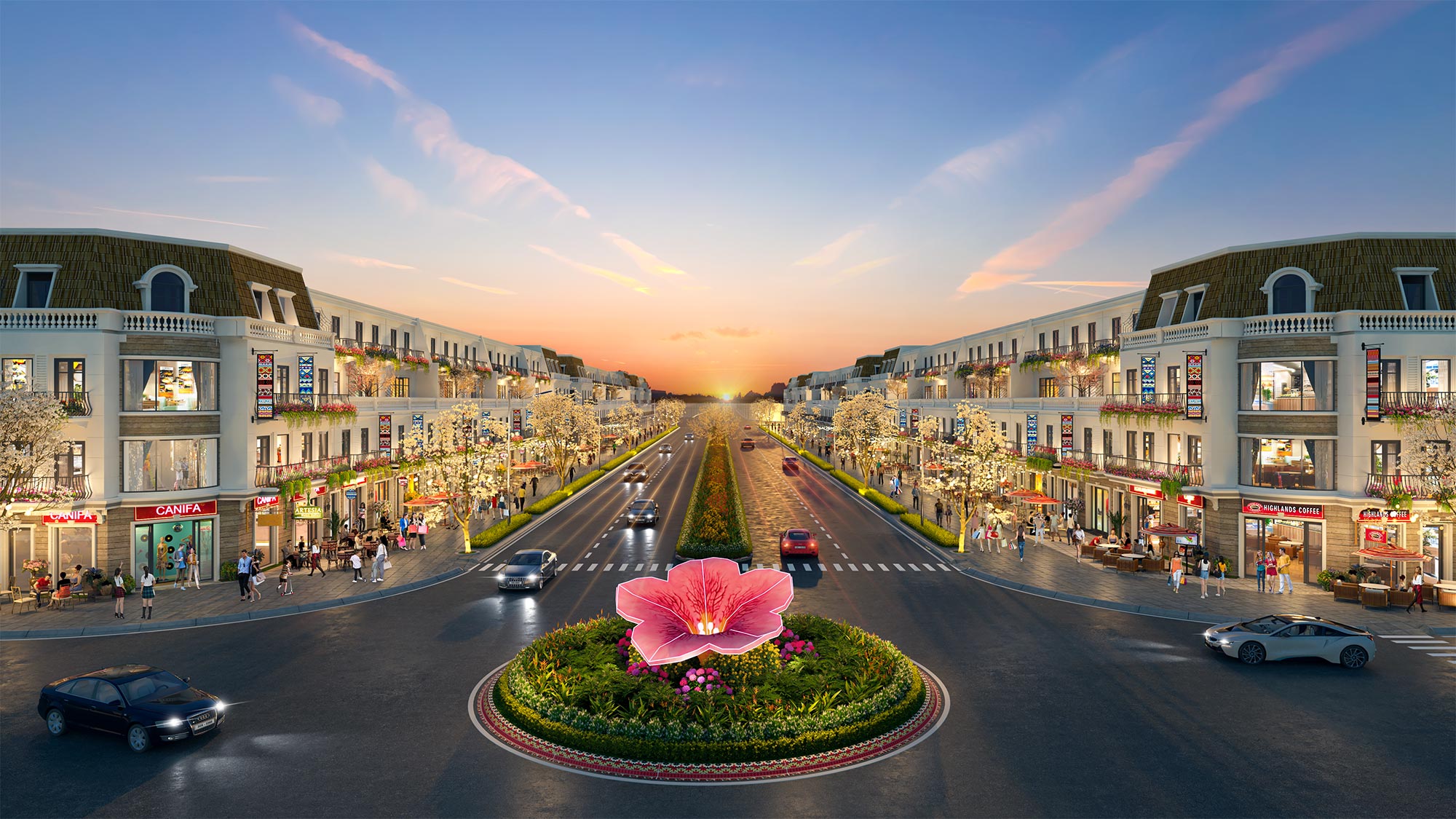
Ho Chi Minh City will develop five satellite cities to alleviate population density and address a range of related issues such as traffic, pollution, and quality of life.
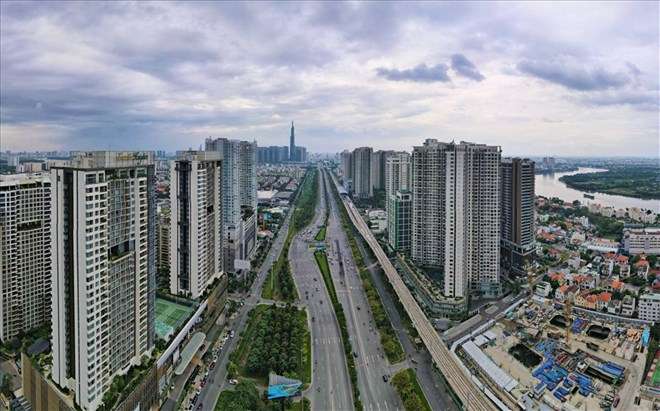
Ho Chi Minh City will develop satellite cities to alleviate congestion in the city center.
According to the revised master plan for Ho Chi Minh City until 2040, with a vision to 2060, the city will have approximately 13-14 million people by 2040, increasing to 16 million people by 2060, and the goal is to become the financial and service center of the Asia-Pacific region.
Specifically, by 2040, the old inner city area is expected to have 4.5-5 million people; Thu Duc City will have 1.9 million people (3 million people by 2060); the developed inner city area will have 2.2-2.9 million people; the suburban area will have approximately 4.2-5.6 million people (the rural population will be about 0.5 million people); and the Can Gio coastal tourism urban area alone will have about 230,000 people.
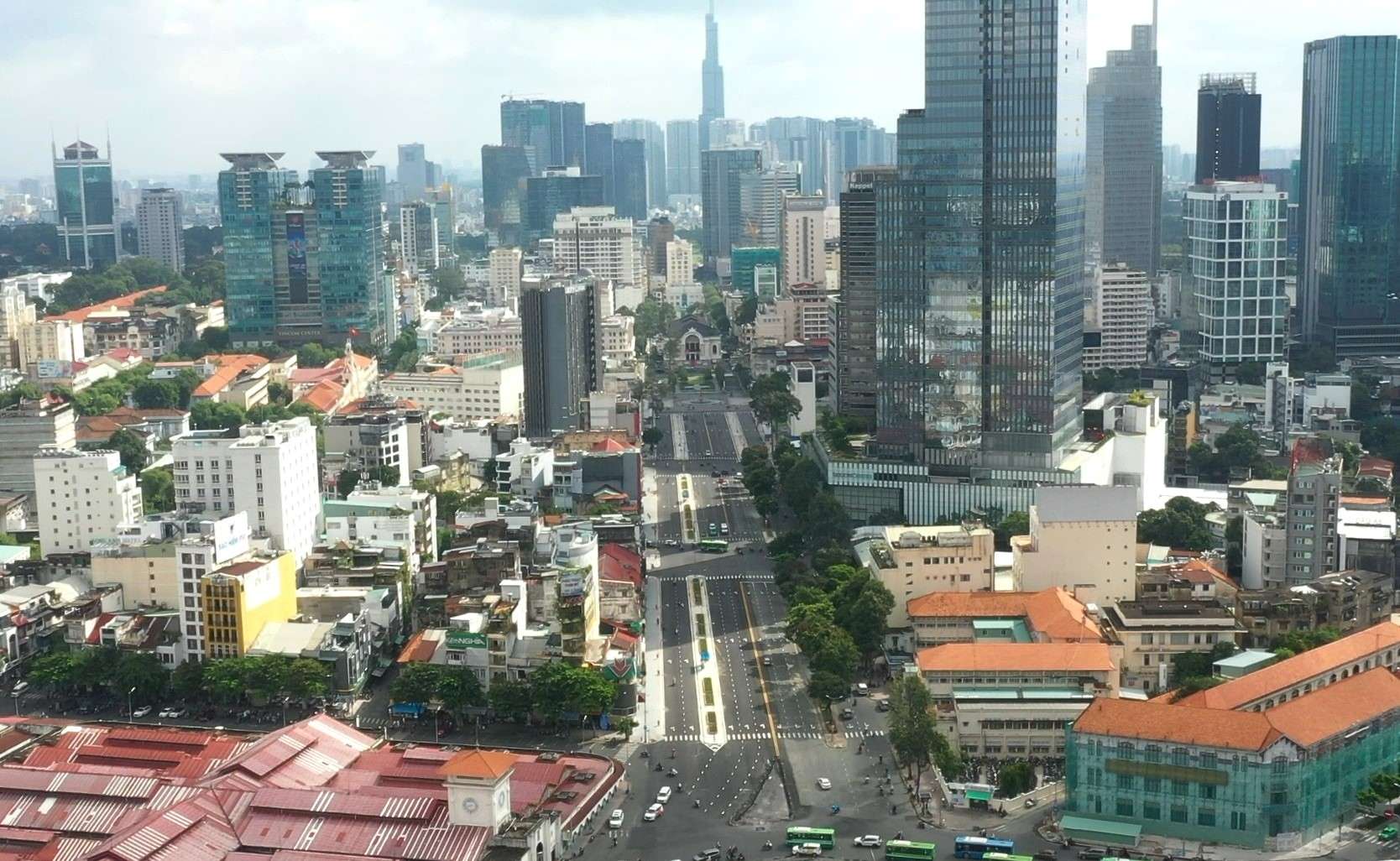
The central area of Ho Chi Minh City is becoming increasingly congested.
For a long time, people have been concentrating in the central area of Ho Chi Minh City for work, study, shopping, etc., leading to overcrowding and constant traffic jams. The main reason is that the quality of services in the suburban areas of Ho Chi Minh City, such as education, healthcare, and transportation, is still poor and does not meet the needs of the people, so everyone flocks to the city center.
In the upcoming urban planning adjustment, to reduce pressure in the central area, Ho Chi Minh City aims to form and develop "satellite" urban areas.
The five satellite urban areas include: Thu Duc City, a smart, innovative, and highly interactive urban area in the East; Can Gio, an ecological urban area and a gateway for international trade via sea; the Southern urban area with Phu My Hung as its center; the Southwestern urban area (Binh Chanh district), a gateway connecting to the Mekong Delta; and the Northwestern urban area, a gateway connecting to Binh Duong, Tay Ninh, and Cambodia.
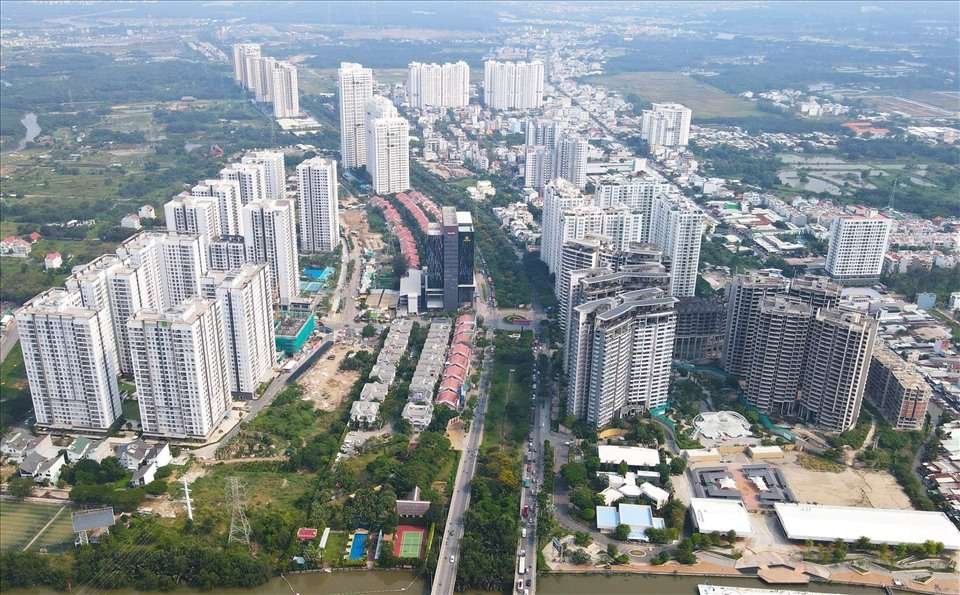
High-rise buildings line both sides of Nguyen Huu Tho road through Nha Be district.
Architect Ngo Viet Nam Son, specializing in urban planning, believes that if Ho Chi Minh City can develop five satellite cities as described above, it will contribute to sustainable development. According to Mr. Son, each satellite city will have its own social and technical infrastructure to serve residents locally, eliminating the need to travel to the city center.
“The inner city has theaters, convention centers, shopping malls, high-rise rental buildings, hospitals, universities, etc., and the satellite city will have exactly the same. This will reduce unnecessary traffic flow into the inner city, helping to alleviate congestion. Satellite cities also create local jobs for residents, giving people the opportunity to work near home without having to travel long distances. At the same time, satellite cities will create their own unique identity and values that suit the needs of the people,” Mr. Son said.
Although supportive of developing satellite urban areas, Mr. Ngo Viet Nam Son stated that Ho Chi Minh City still faces many challenges if it wants this model to succeed.
Citing Thu Duc City (oriented towards becoming a smart, innovative, and highly interactive urban area in the East), Mr. Son argued that after nearly three years of establishment, this "city within a city" model has not achieved any significant results. Therefore, before expanding it to create satellite cities in the East, West, South, and North, the focus should be on making Thu Duc City successful first. "Success means that when the three districts are combined, Thu Duc City's GRDP must be higher than that of the three districts individually," Mr. Son said.
According to this architect, Ho Chi Minh City needs to make breakthroughs that it couldn't achieve before, such as breakthroughs in infrastructure, employment, and improving people's lives. In addition, it needs to address the issue of mechanisms, specifically that city leaders within the city must have higher authority than a district chairman. "Currently, the role of the Chairman of the People's Committee of Thu Duc City is quite vague due to limited authority," Mr. Son cited as an example.
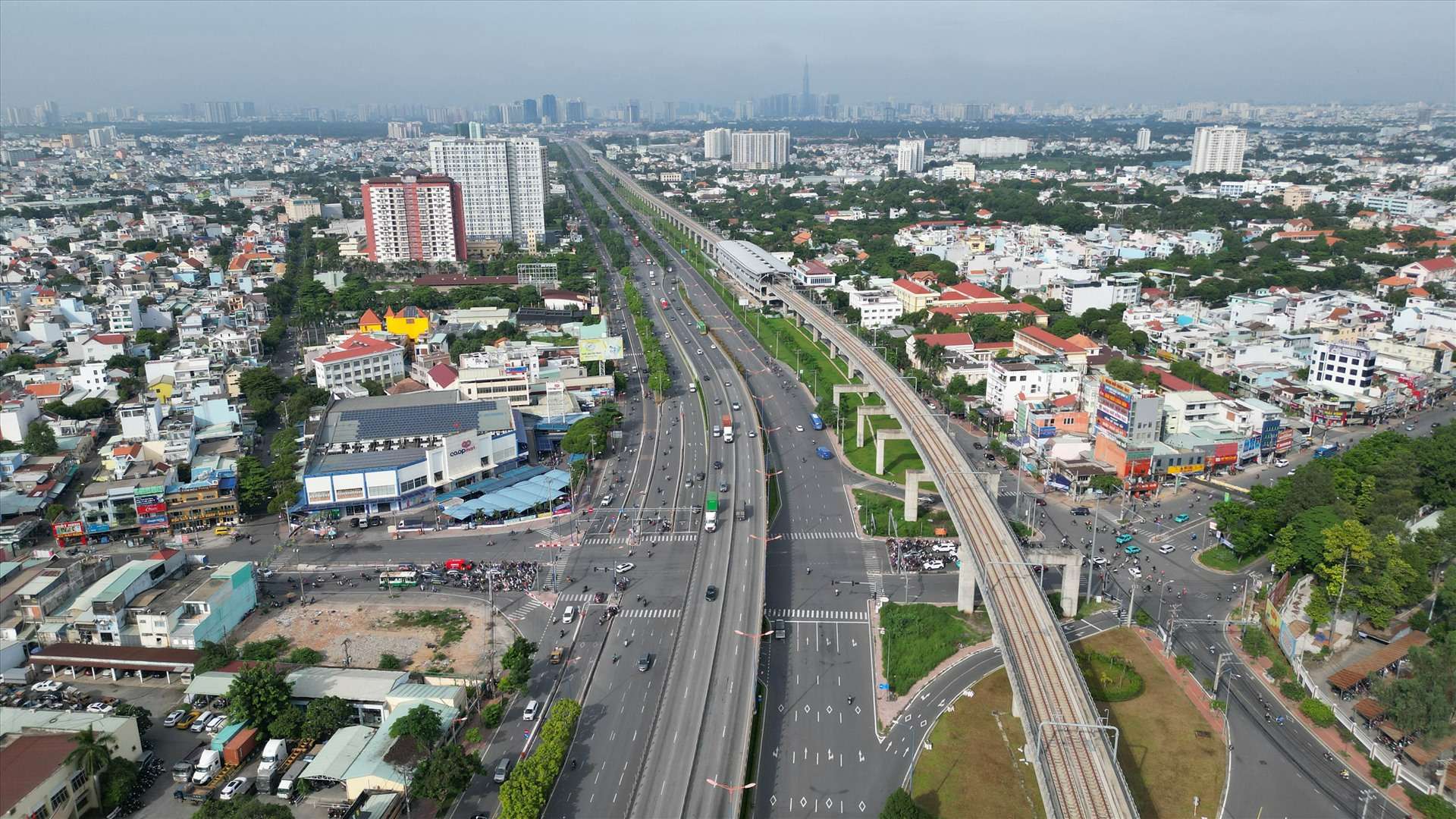
Thu Duc City has not met expectations after nearly 3 years since its establishment.
Sharing the same view, Mr. Hoang Minh Tri, former Director of the Ho Chi Minh City Planning Institute, believes that if Ho Chi Minh City wants to develop into an urban area and a satellite city, it must find the main driving force to attract investment and to ensure residents live and thrive. In reality, without this driving force, and only focusing on "land subdivision and sale or general housing construction," the city will become stagnant.
Mr. Tri cited the example of Binh Duong New City (Binh Duong province), which, despite years of development, has failed to attract residents, or Nhon Trach City (Dong Nai province), which, despite its planning, has only seen indiscriminate land subdivision and sale, and to this day, has yet to attract residents. "Therefore, forming a city is easy, but we must find the driving force, or as the saying goes, 'good land attracts good people'," Mr. Tri said.
Communications by An Huy Group
Cảm ơn Quý khách hàng đã quan tâm đến An Huy Mỹ Việt.
Quý khách hàng vui lòng để lại thông tin liên hệ để chúng tôi hỗ trợ tốt nhất